The Cornell Laboratory
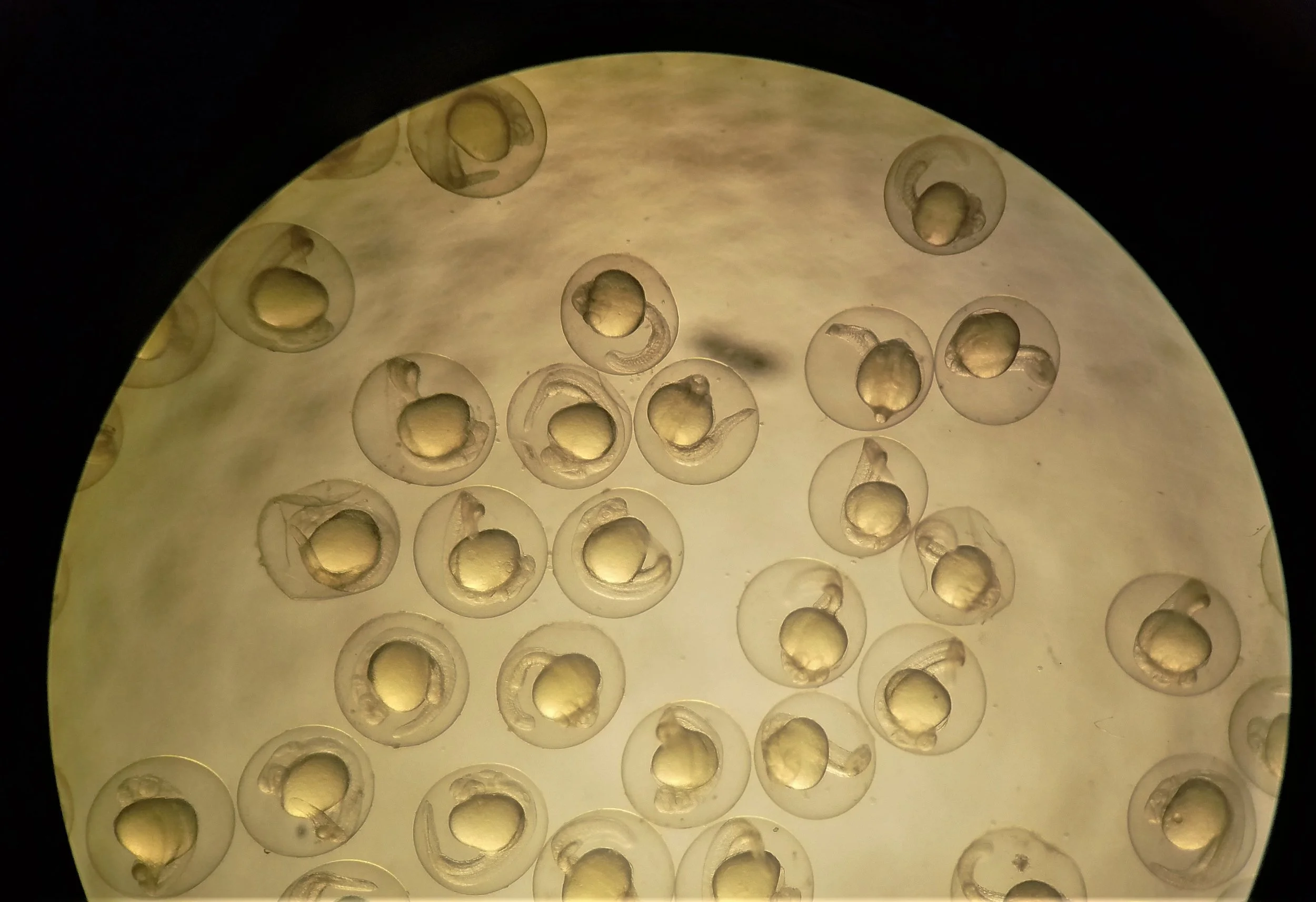
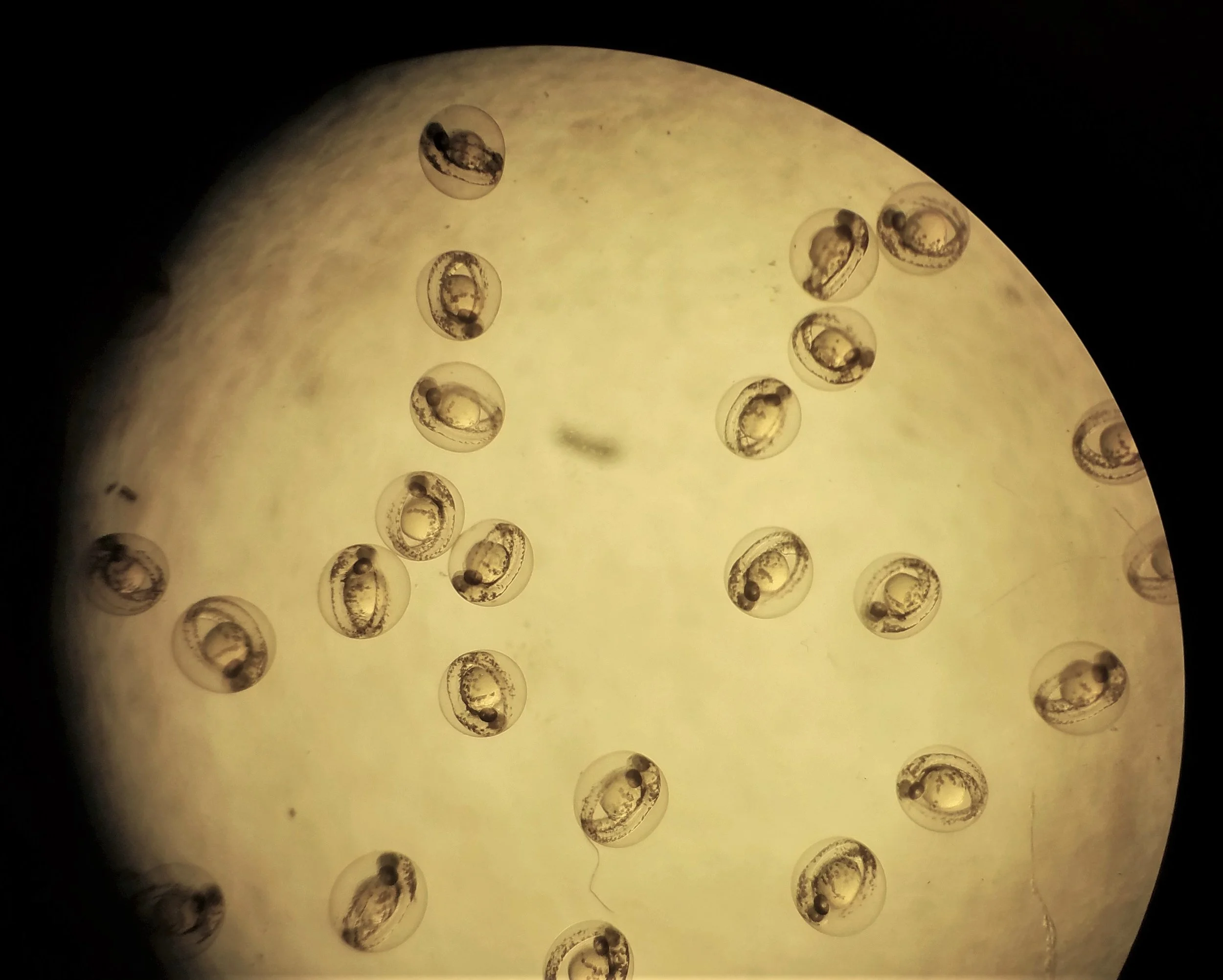
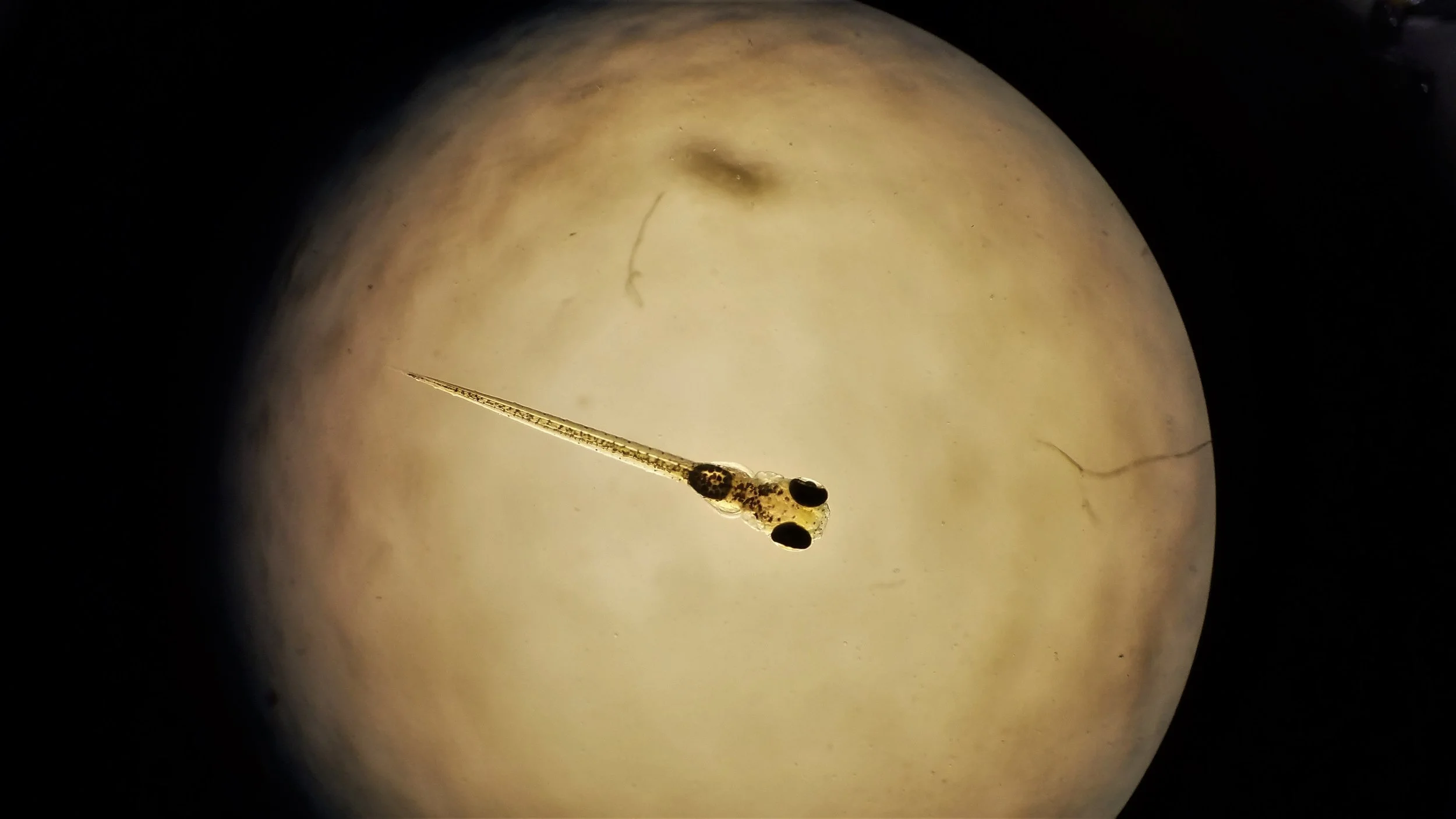
The Cornell lab studies the gene regulatory networks that govern cell lineage specification, cell survival, and cellular differentiation during embryonic development. In these studies, we use zebrafish, a vertebrate model system well-suited to genetic and embryological methods. This research illuminates the genetic pathways that govern specification, survival, and differentiation of cells. It also provides insight into how these pathways become disrupted in a variety of disease states, including birth defects, cancer, and neurodegenerative diseases. A separate focus is the mechanism by which variants detected in patients with orofacial cleft contribute to this congenital anomaly. For this work we use human cell lines.
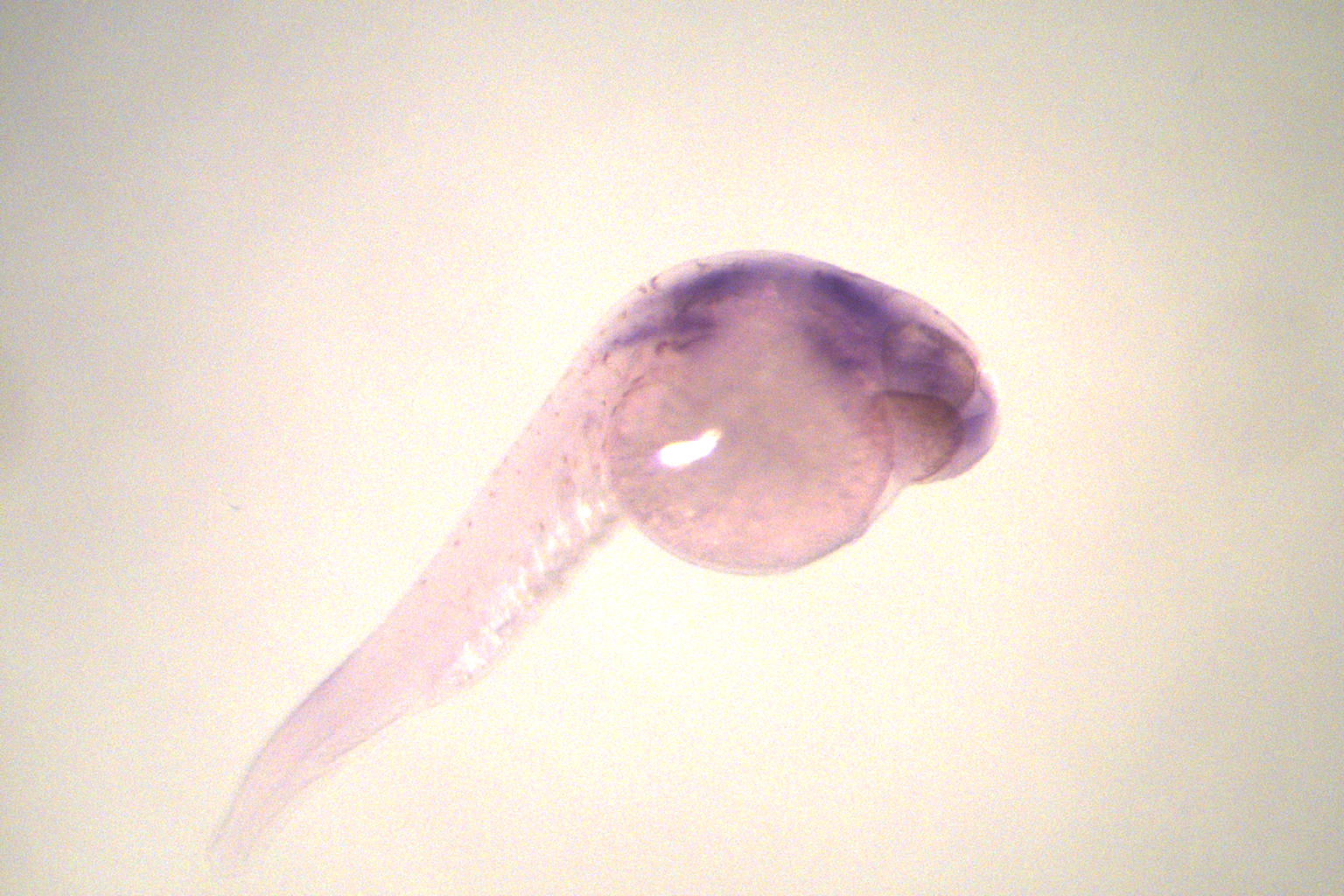

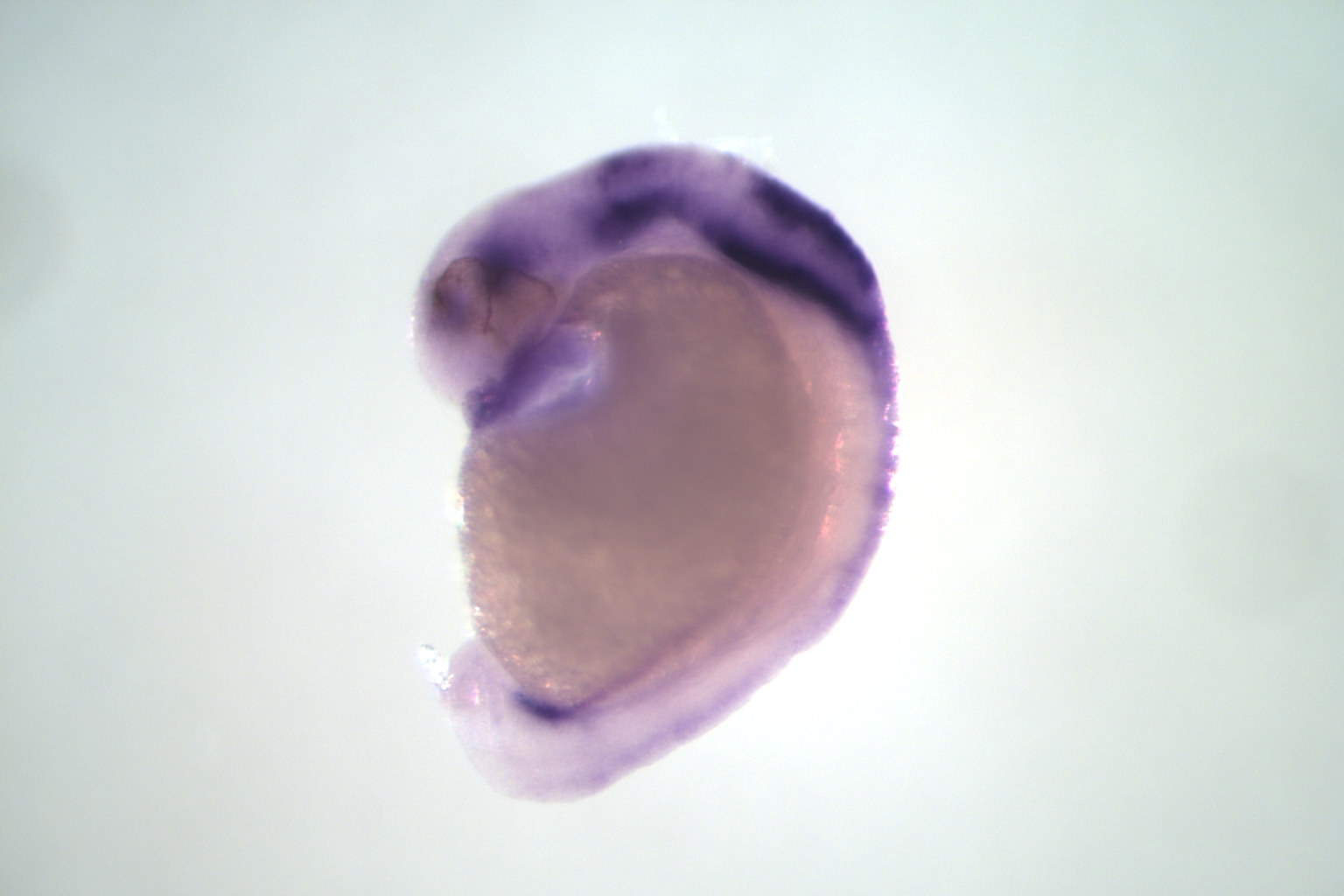

Stem cells are subject to differentiation, leading to loss of tissue homeostasis, or unregulated growth, potentially leading to cancer. The balance of pluripotency, proliferation, and differentiation in melanocyte stem cells, a model of other adult stem cells, is regulated by a poorly-understood regulatory pathway including transcription factors MITF and TFAP2A. Our proposed experiments will illuminate this pathway in the context of normal development, and in a syndrome caused my mutations in TFAP2A.
Genome-wide association studies (GWAS) and linkage studies have identified DNA variants, including single nucleotide polymorphims (SNPs), that are associated with elevated risk for isolated oral facial cleft, a common birth anomaly. However, it is a challenge to distinguish pathogenic variants from those merely in linkage disequilibrium with such variants. We address this issue we filter variants against genomic data indicative of enhancers, test candidate variants in reporter assays, and engineer the genotype of top candidate SNPs in induced pluripotent stem cells, which we differentiate into oral epithelium and then measure gene expression and transcription factor binding.
Orofacial is a common disease with a major impact on the affected individual, their family and society. Here, we will determine the gene regulatory network for periderm, an embryonic tissue that is critical for development of the palate. Our new knowledge will identify candidate genes and help identify pathogenic variants located in regulatory elements which will improve risk assessment and provide new targets for rational therapies.
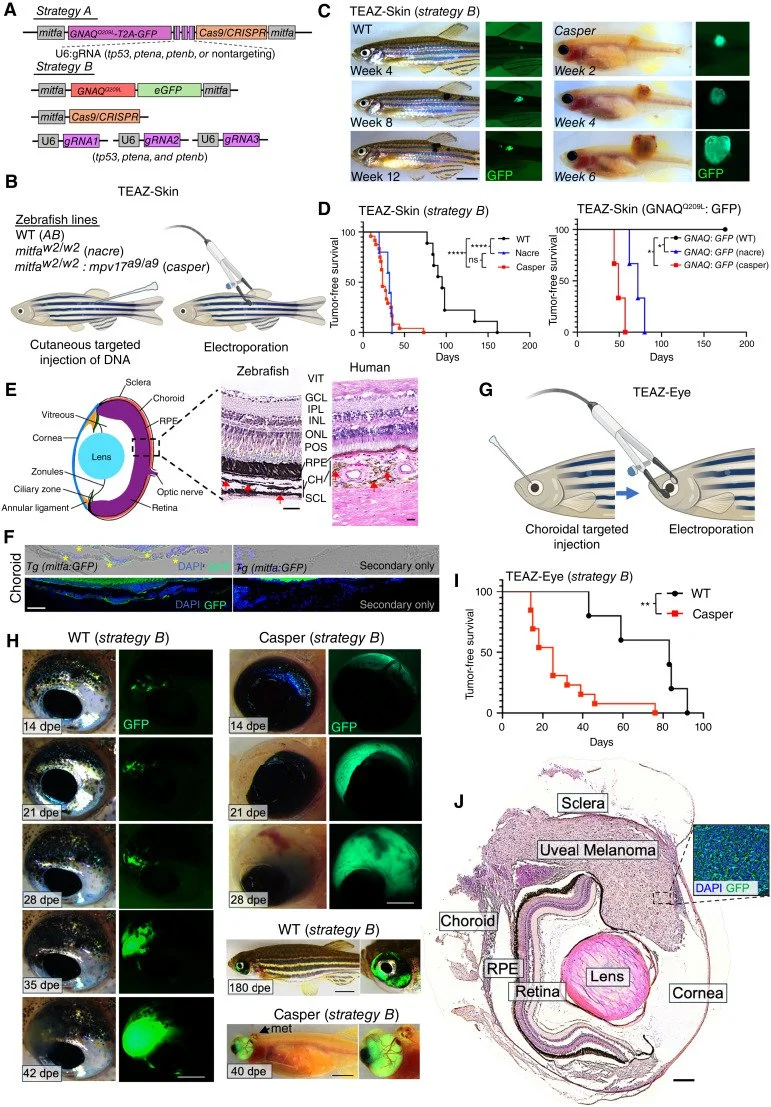
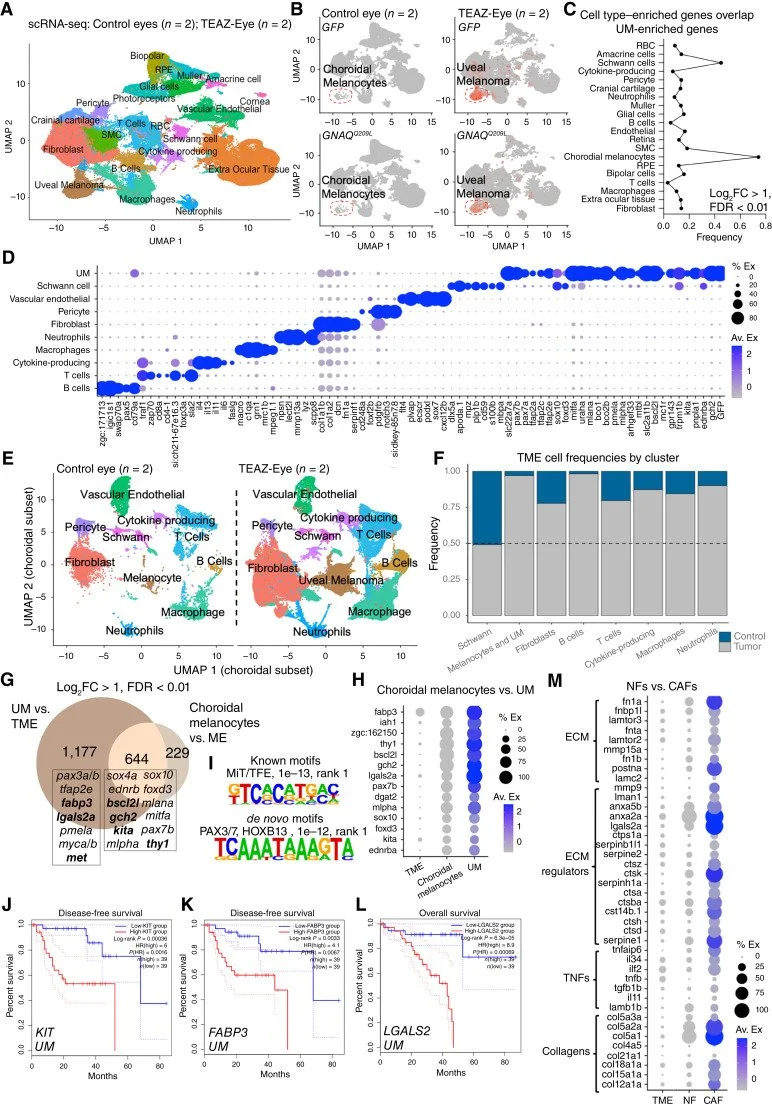
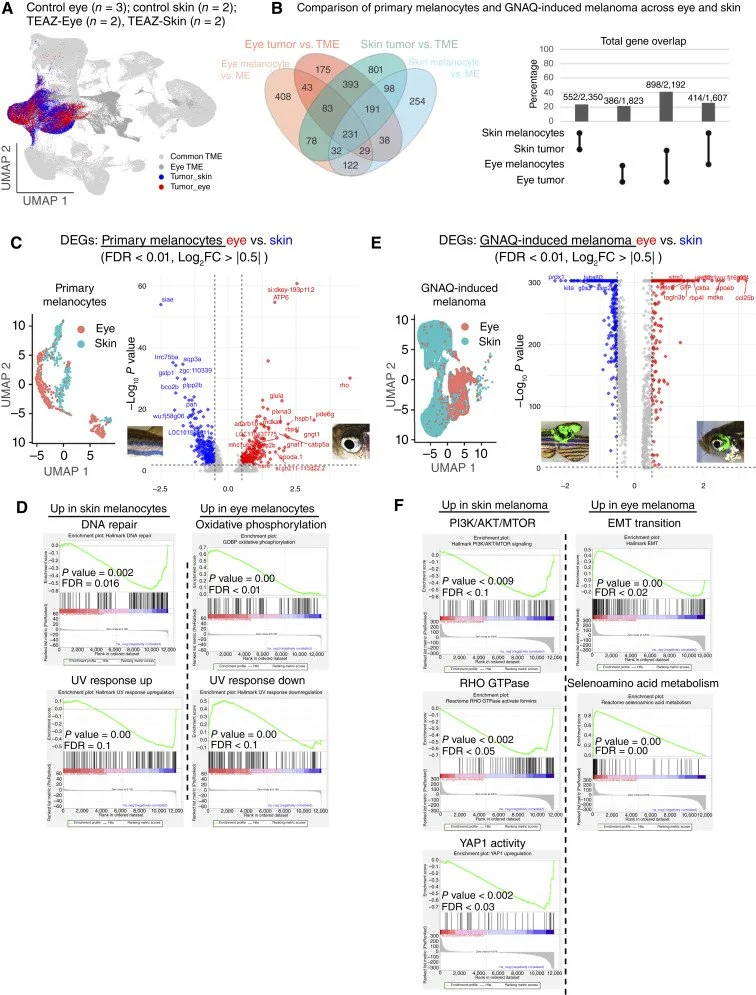
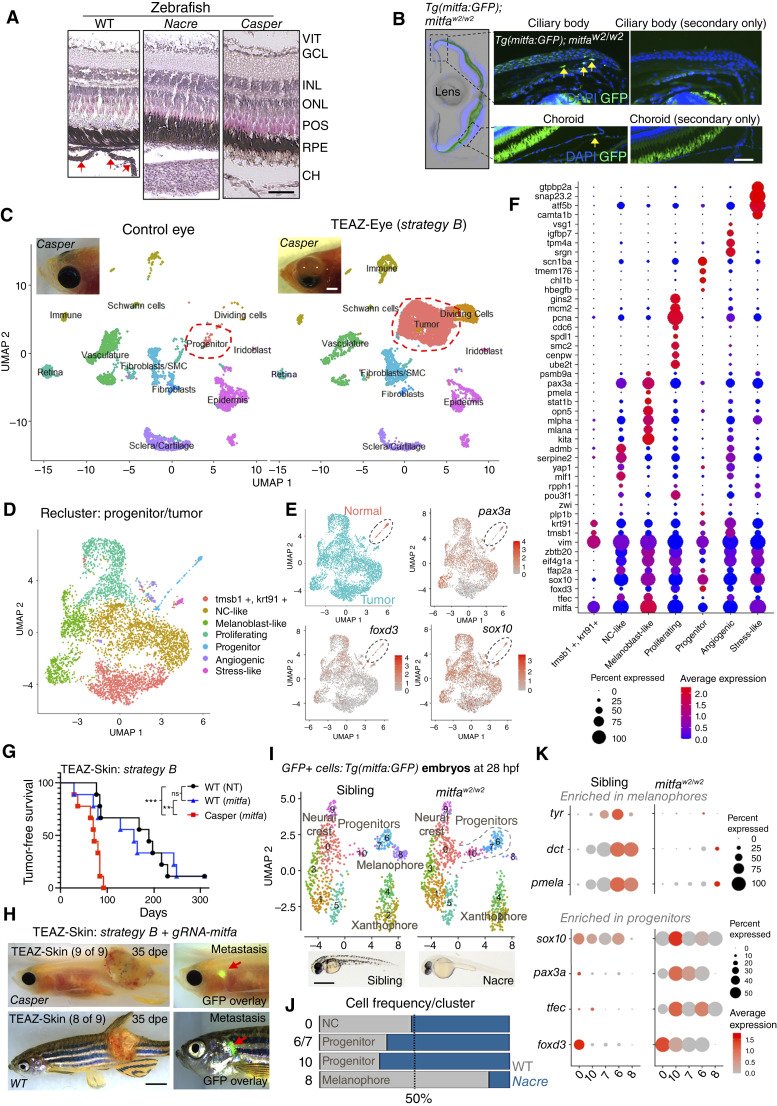
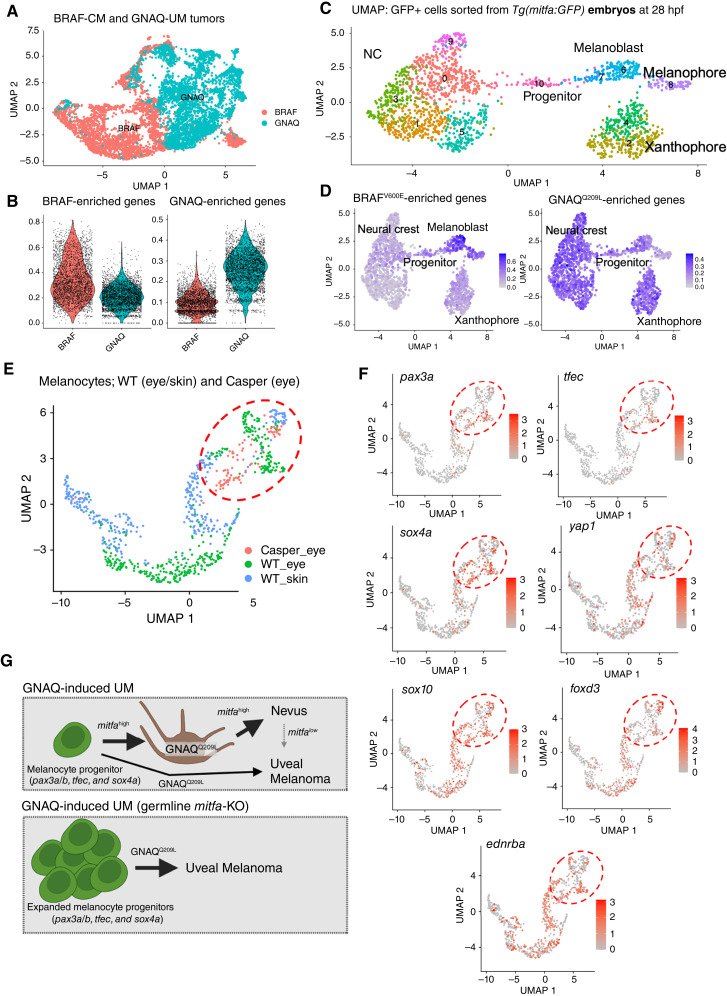
Yevdash, J. I., Robinson, D., Moore, R., Li, Z., Campbell-Hanson, K. R., Gutelius, D., Moore, S. P. G., Friend, D., O'Toole, I., Harman, B. E., Montgomery, C., Cornell, R. A., Birbrair, A., Riordan, J. D., Dupuy, A. J., Binkley, E. M., Mullins, R. F., Lang, D., Weigel, R. J., & Kenny, C. (2026). GNAQ Induces Melanomagenesis in Mitfa-Independent Melanocyte Progenitors in a Zebrafish Model of Uveal Melanoma. Cancer research, 86(15), 3687–3703. https://doi.org/10.1158/0008-5472.CAN-25-5299
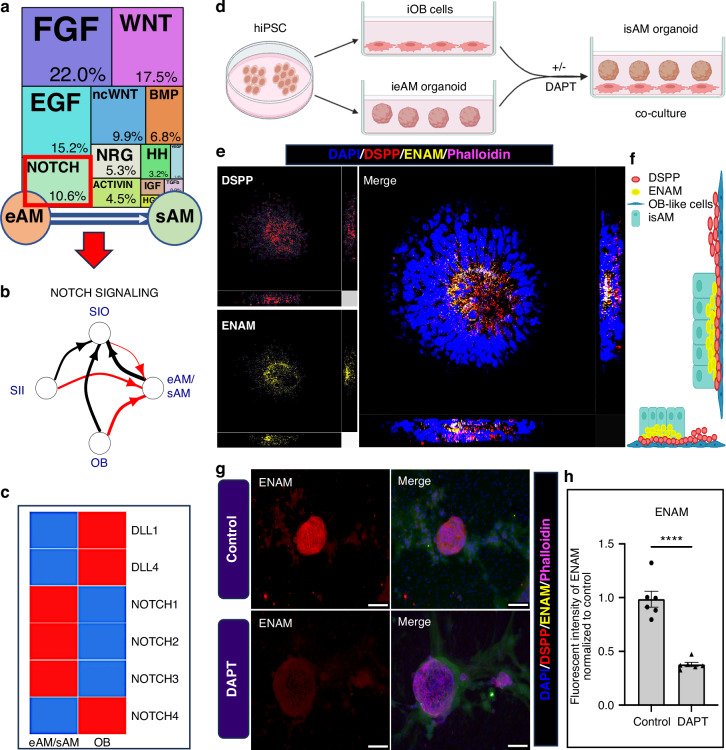
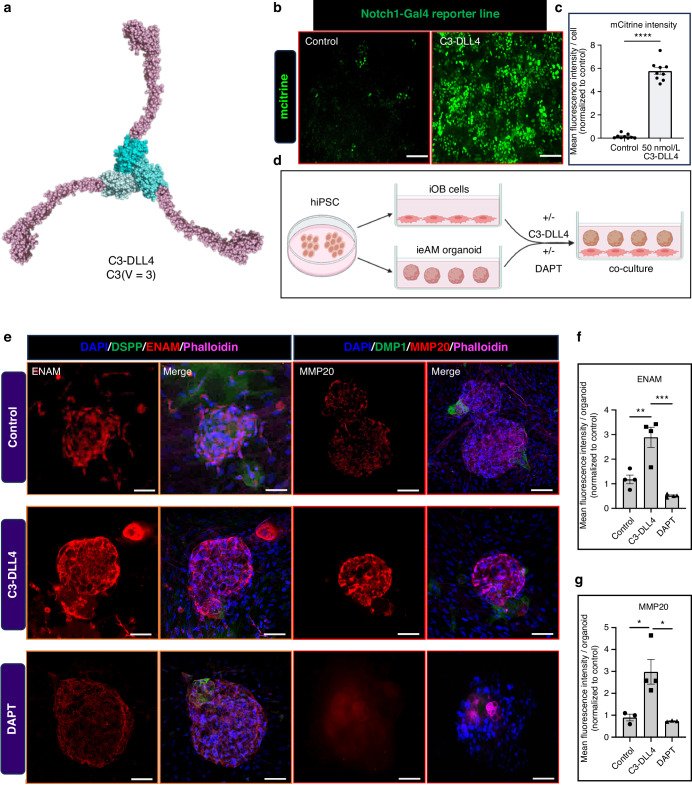
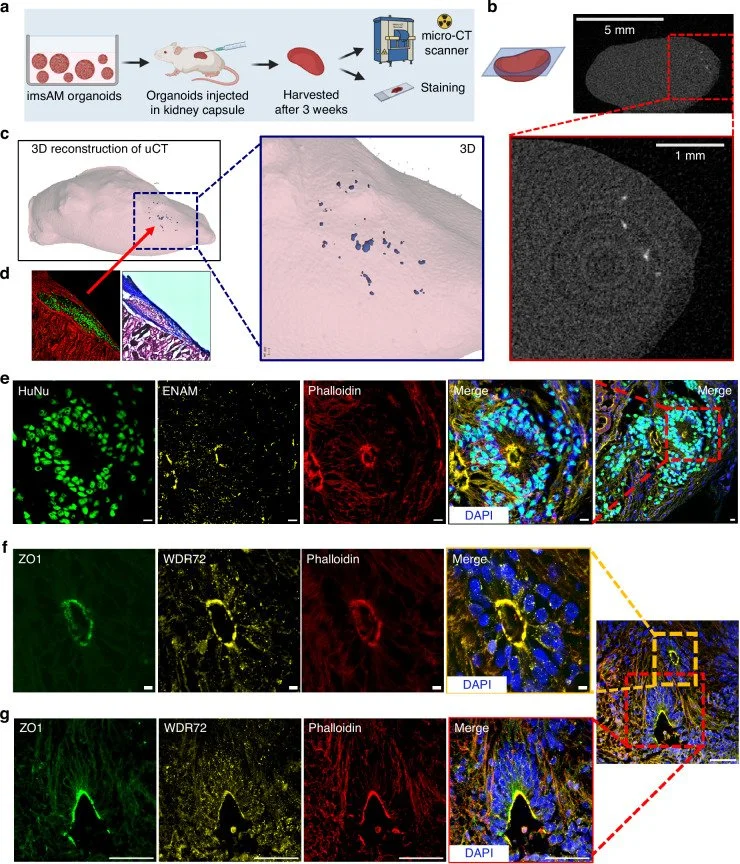
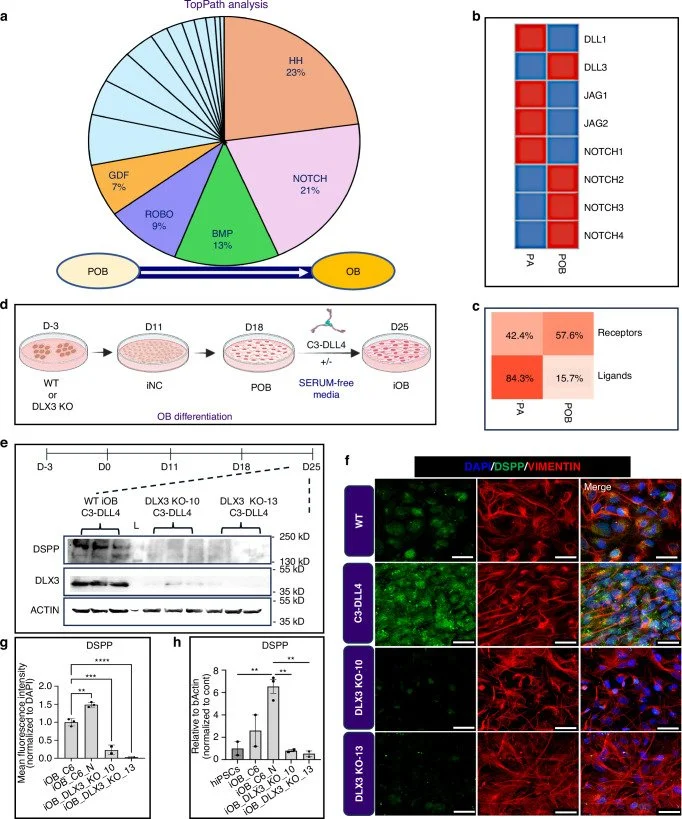
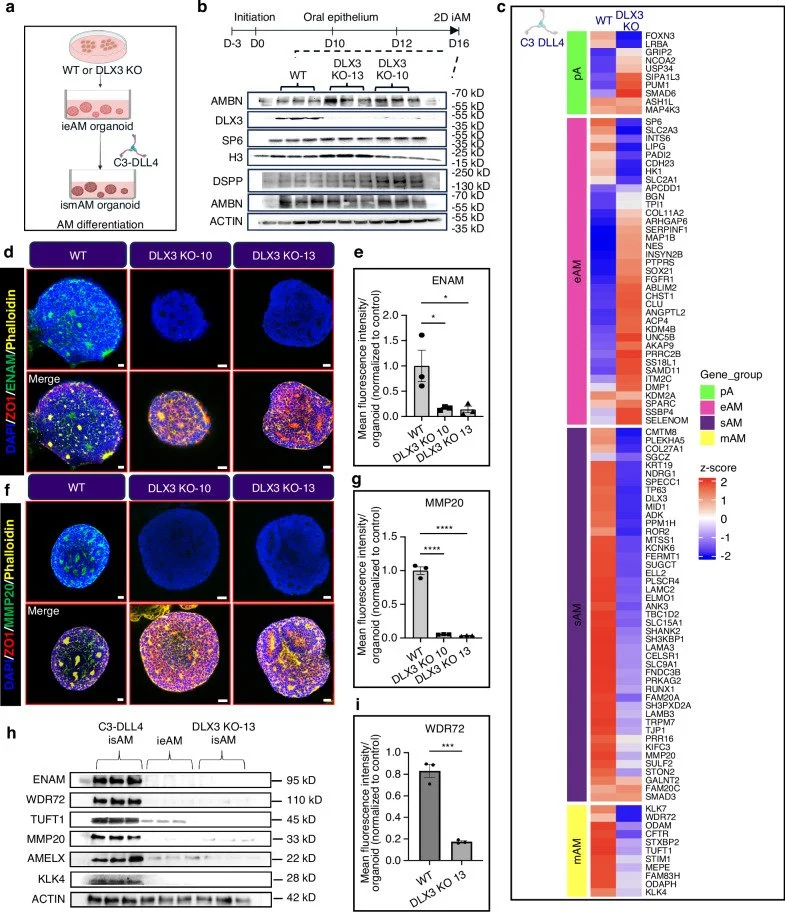
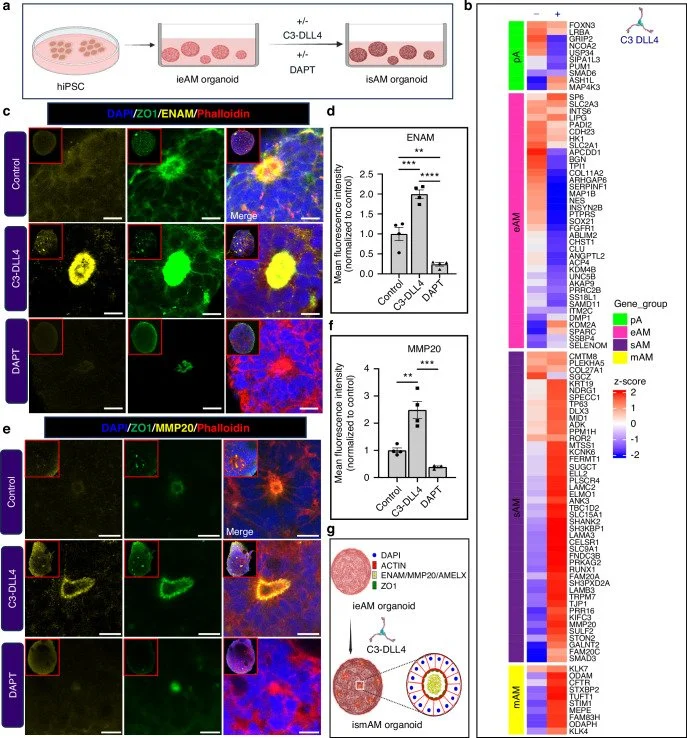
Patni, A. P., Mout, R., Alghadeer, A., Moore, R. H., Nademi, S., Ausk, B. J., Huber, P., Keshri, R., Regier, M., Cornell, R. A., Gross, T., Freedman, B. S., Daley, G. Q., Baker, D., Mathieu, J., & Ruohola-Baker, H. (2026). Soluble Notch agonist enables human ameloblast maturation and enamel-like tissue formation for tooth regeneration. International journal of oral science, 18(1), 25. https://doi.org/10.1038/s41368-026-00429-4

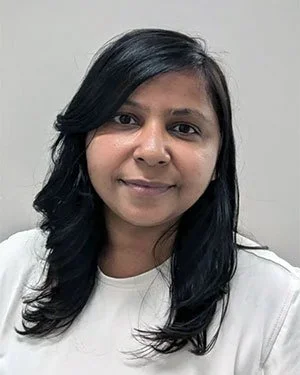


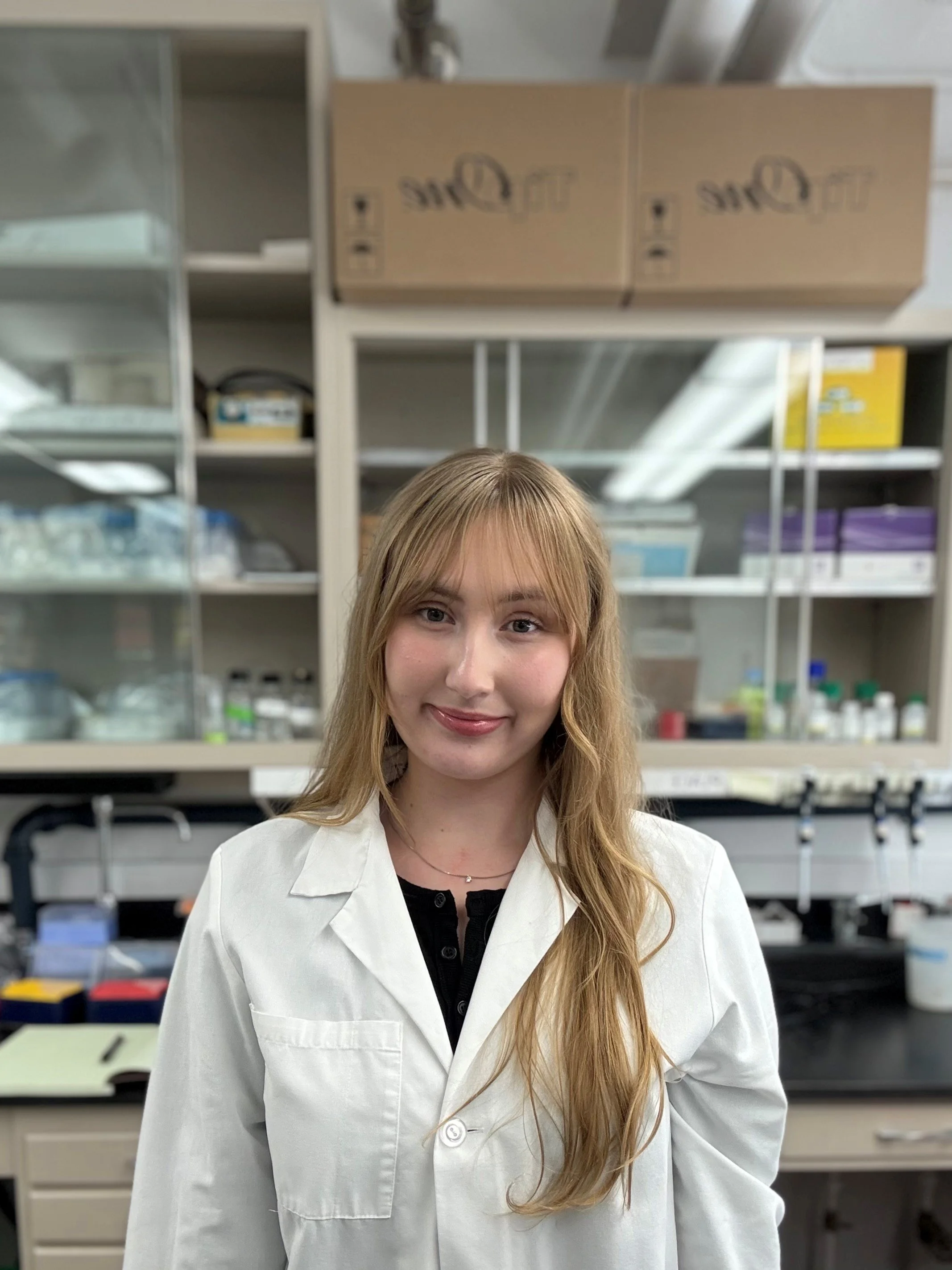
PI:
Robert Cornell, PhD
cornellr@uw.edu
Acting Instructor:
Priyanka Kumari, PhD
pk2022@uw.edu
Postdoc:
Amy Hammerquist, PhD
amyh32@uw.edu
PhD Student:
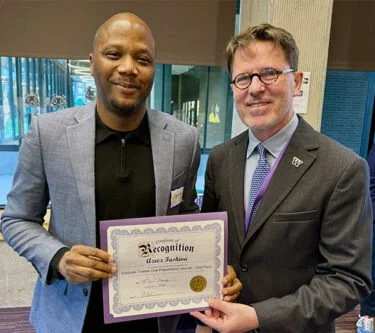
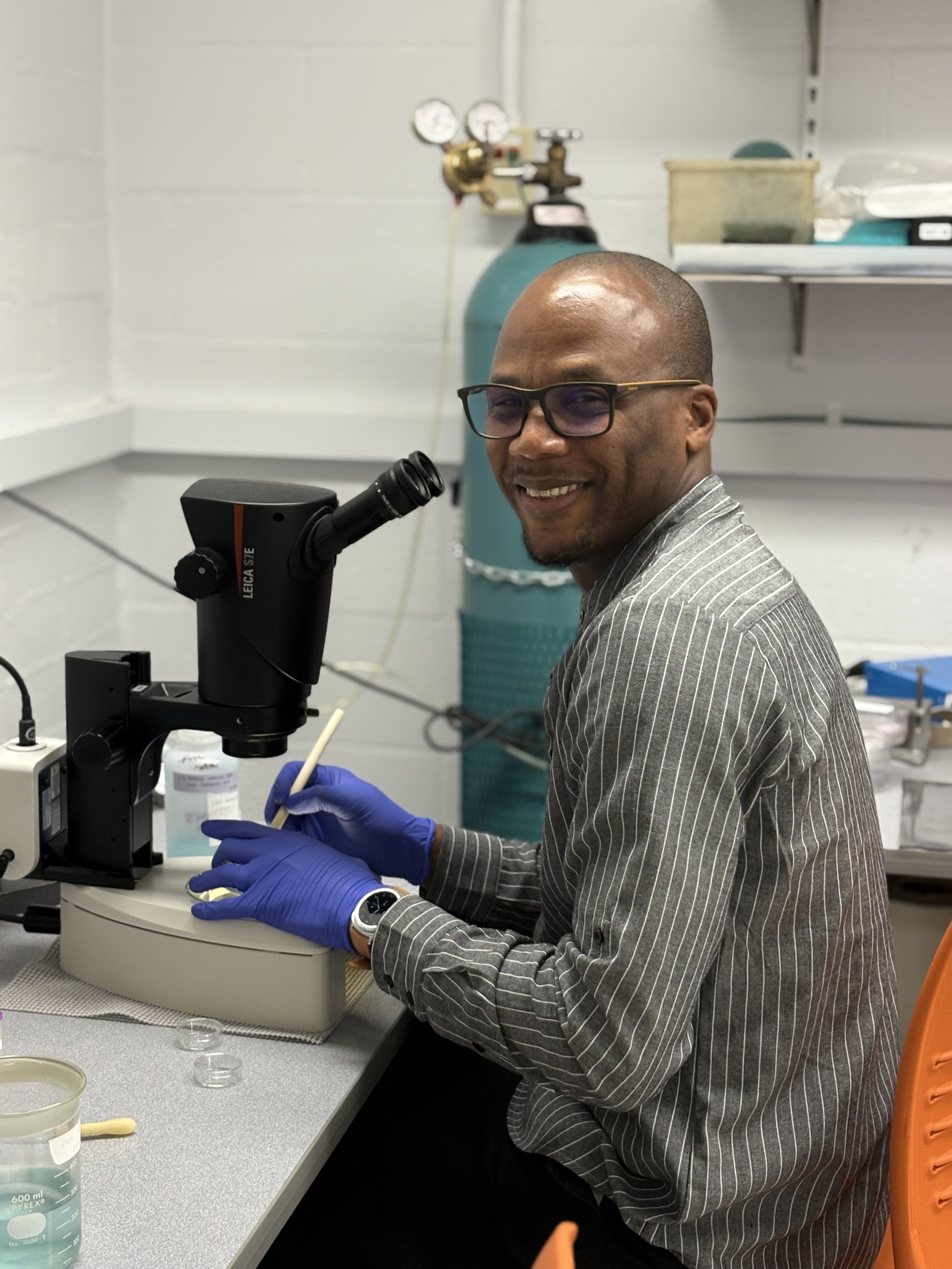
Azeez Fashina, BDS, FMCDS (Nigeria)
afashina@uw.edu
Research Technologist / Lab Manager:
Kora Green, BA
korag@uw.edu
Undergraduates:
Melinda Le
Jai Padda
Post docs:
Anuj Mankad
Huan Liu
Colin Kenny
Sunil Singh
Graduate students:
Wei Li
Jamie Sabel
Tiffany Smith
Matt McNeill
Amanda Decker
Eric Van Otterloo
Hannah Seberg
Andrea Hallberg
Kaylia Duncan
U Iowa Undergraduates:
Jennifer Paulson
Liz Yemm
Margaret Preigh
Russell Martin
Mikaela Mallin
Camille Mumm
Angela Benton
Kalynn Culver
UW Undergraduates:
Abby Kay
Ayushi Desai
Jayden Bridge-Allen
Natalie Krause
Valerie Wang
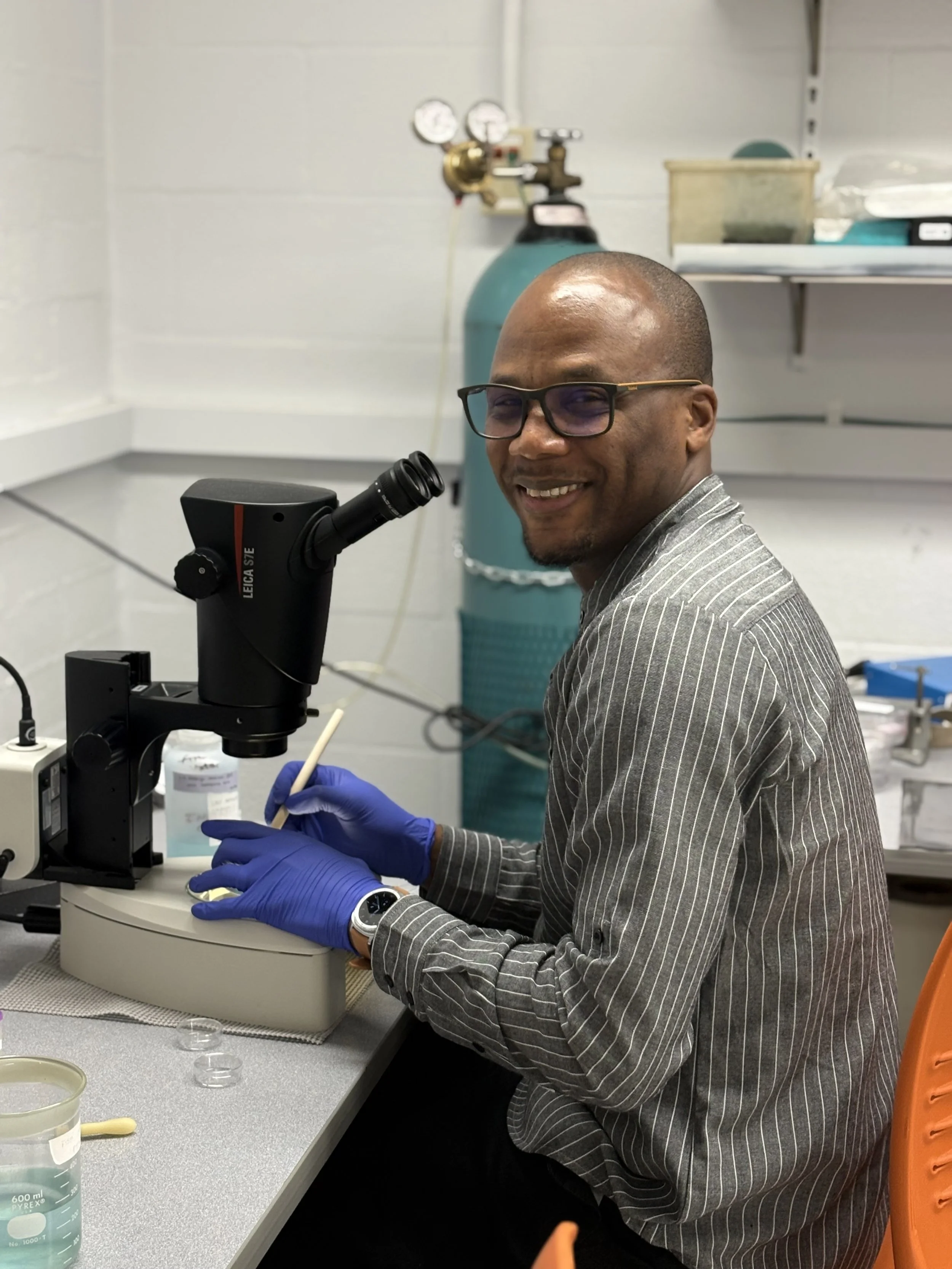
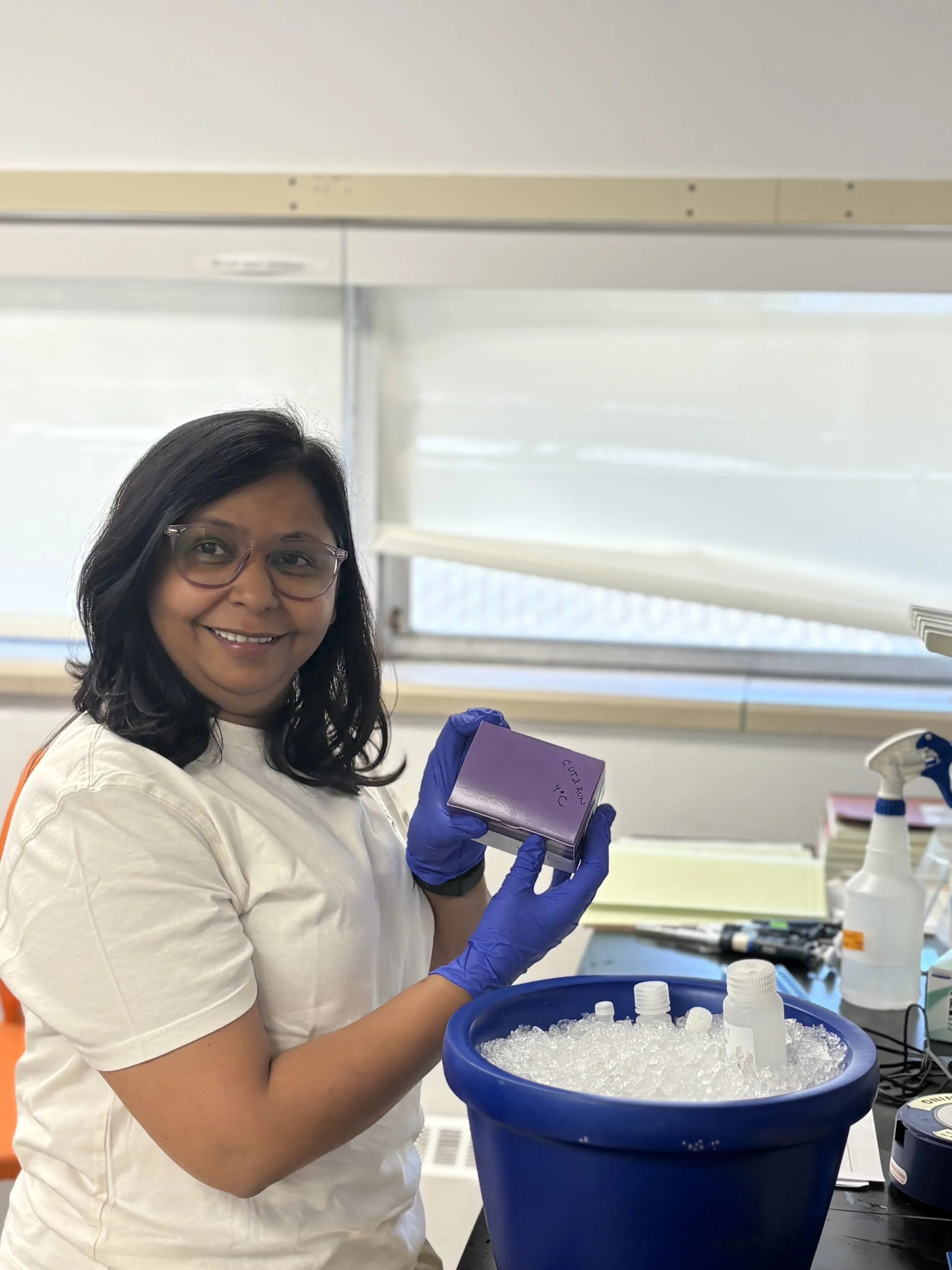

An NIH-funded postdoctoral position is currently available in our group. We welcome inquiries from interested candidates! Please contact cornellr@uw.edu with any questions.
Address
University of Washington
Oral Health Sciences Dept.
1959 NE Pacific St. Room B147
Seattle, WA 98195
It can be difficult to find B147! Please use the link below for step-by-step directions if needed
Robert A. Cornell, PhD,
Professor and Graduate Program Director
Washington Research Foundation Endowed Professor in the Life Sciences
Department of Oral Health Sciences
1705 NE Pacific St, Ste. B147C
Univ of Washington, Box 357475
Seattle WA 98195-7475
Prospective students and postdocs please contact me!
cornellr@uw.edu